Shopping cart
Your cart empty!
Your cart empty!
Terms of use dolor sit amet consectetur, adipisicing elit. Recusandae provident ullam aperiam quo ad non corrupti sit vel quam repellat ipsa quod sed, repellendus adipisci, ducimus ea modi odio assumenda.
Lorem ipsum dolor sit amet consectetur adipisicing elit. Sequi, cum esse possimus officiis amet ea voluptatibus libero! Dolorum assumenda esse, deserunt ipsum ad iusto! Praesentium error nobis tenetur at, quis nostrum facere excepturi architecto totam.
Lorem ipsum dolor sit amet consectetur adipisicing elit. Inventore, soluta alias eaque modi ipsum sint iusto fugiat vero velit rerum.
Sequi, cum esse possimus officiis amet ea voluptatibus libero! Dolorum assumenda esse, deserunt ipsum ad iusto! Praesentium error nobis tenetur at, quis nostrum facere excepturi architecto totam.
Lorem ipsum dolor sit amet consectetur adipisicing elit. Inventore, soluta alias eaque modi ipsum sint iusto fugiat vero velit rerum.
Dolor sit amet consectetur adipisicing elit. Sequi, cum esse possimus officiis amet ea voluptatibus libero! Dolorum assumenda esse, deserunt ipsum ad iusto! Praesentium error nobis tenetur at, quis nostrum facere excepturi architecto totam.
Lorem ipsum dolor sit amet consectetur adipisicing elit. Inventore, soluta alias eaque modi ipsum sint iusto fugiat vero velit rerum.
Sit amet consectetur adipisicing elit. Sequi, cum esse possimus officiis amet ea voluptatibus libero! Dolorum assumenda esse, deserunt ipsum ad iusto! Praesentium error nobis tenetur at, quis nostrum facere excepturi architecto totam.
Lorem ipsum dolor sit amet consectetur adipisicing elit. Inventore, soluta alias eaque modi ipsum sint iusto fugiat vero velit rerum.
Do you agree to our terms? Sign up
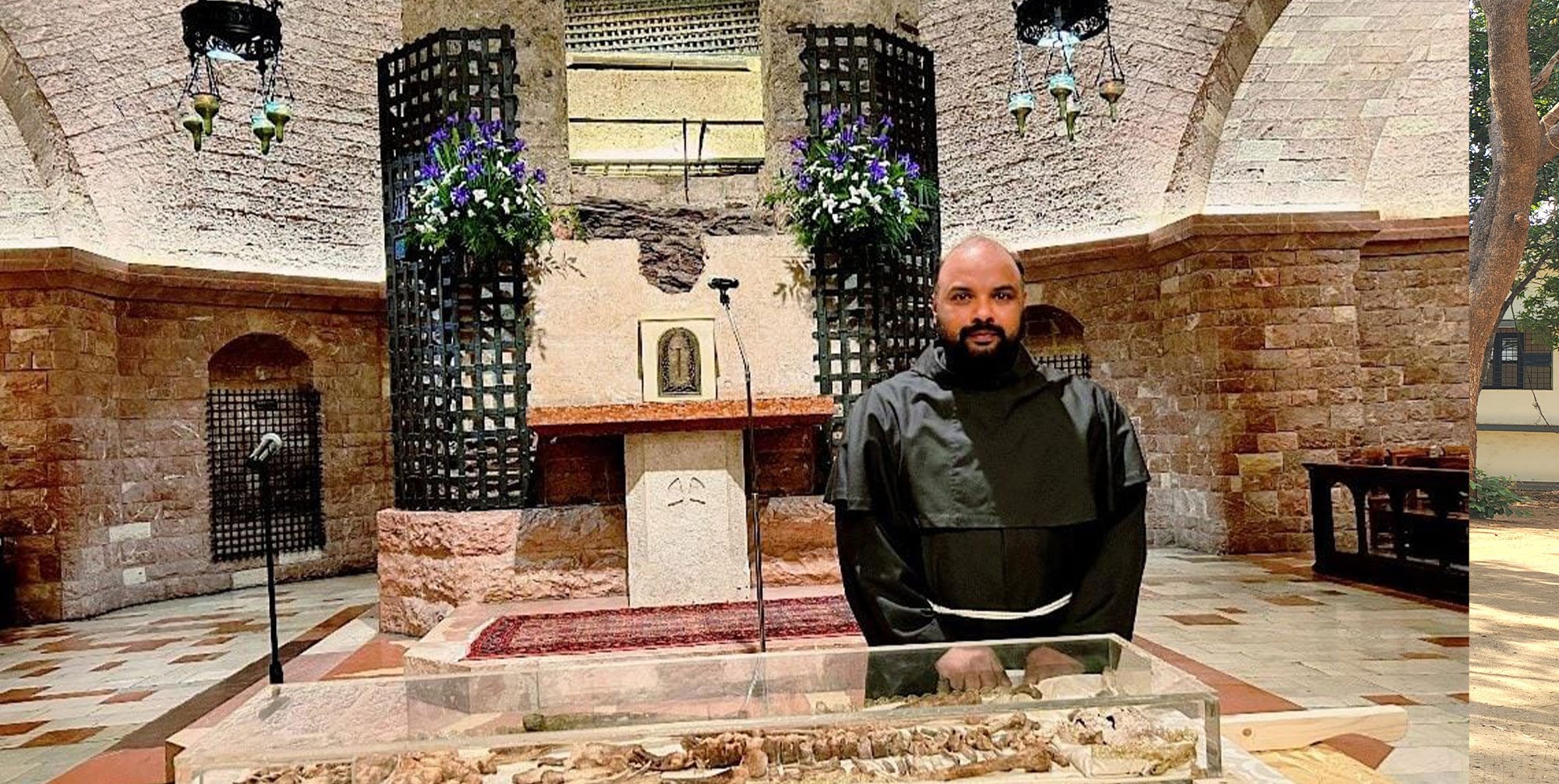
A Profound Encounter with the Poverello: Reflections on the 800th Anniversary of the Passing of Saint Francis of Assisi
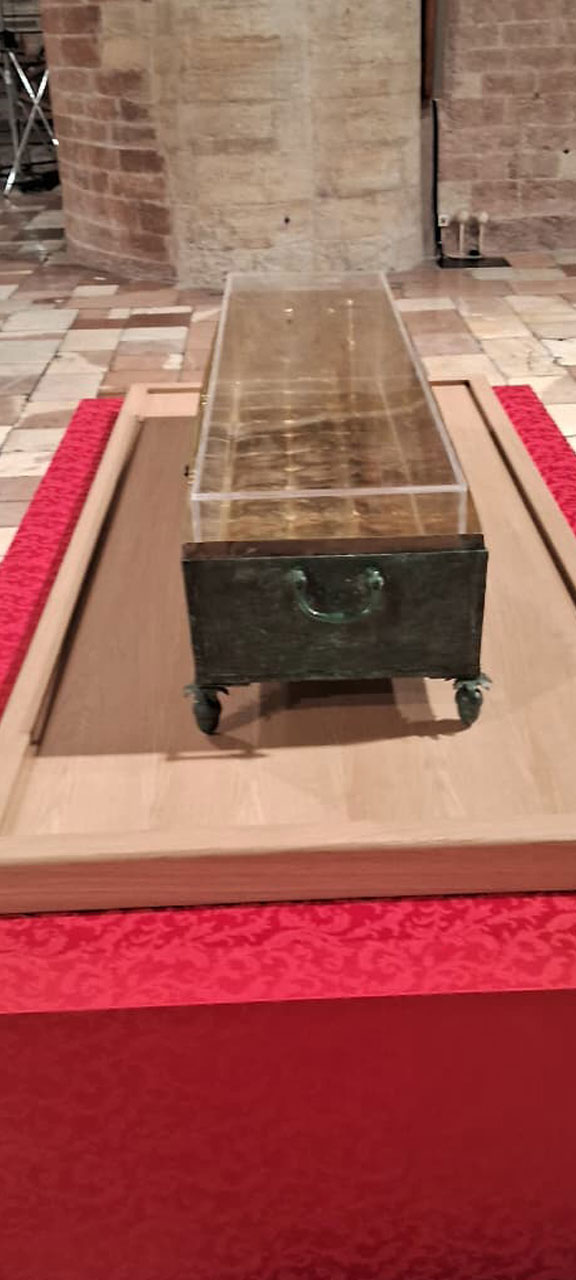
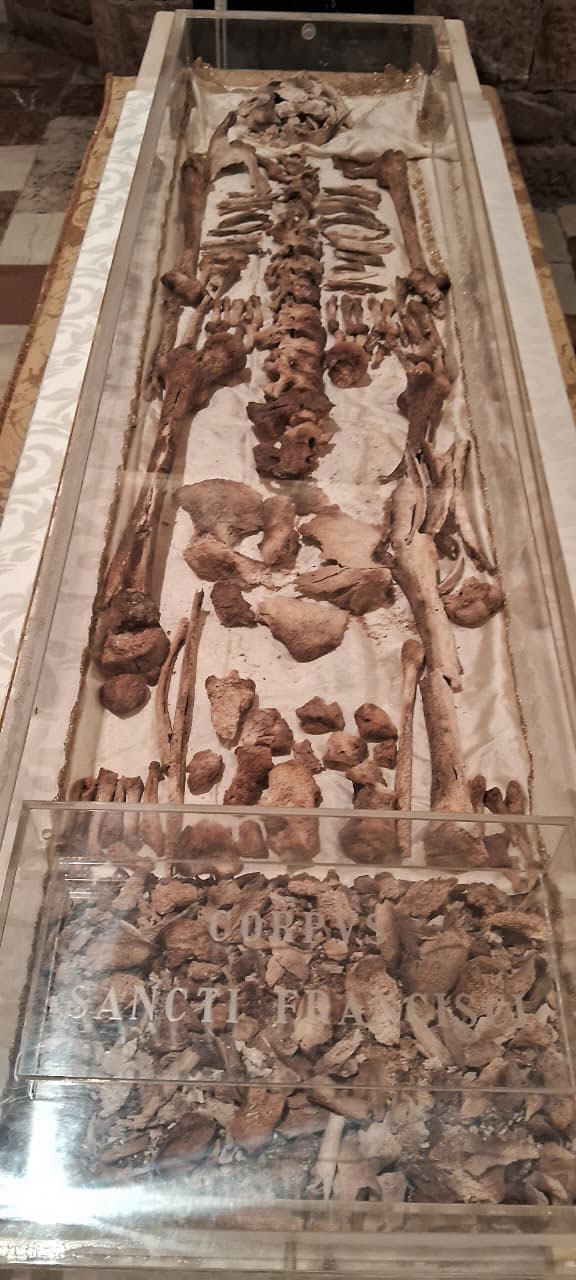
“San Francesco Vive” – Saint Francis still lives – is the central theme marking the 800th anniversary of the death of Saint Francis of Assisi. In truth, this is exactly what one begins to realize from the experience of these days in Assisi. A man who lived and died eight hundred years ago continues to touch and transform countless hearts even today. The endless stream of pilgrims arriving here bears witness to this reality. Every day, thousands come to see, venerate, and pray before the relics of the saint, leaving with deep spiritual consolation.
To be present here at such a historic moment is itself an immense grace of God. No words are sufficient to express gratitude for the blessing of being in the very place where the father, foundation, and identity of our religious life lived and died. The fragile relics of the saint, reminiscent of a grain of wheat that has fallen to the ground and been broken, invite every visitor to pause and reflect. Standing before them awakens a profound silence within the heart and fills it with a sense of tenderness and awe.
On Saturday afternoon, the 22nd, when I approached the tomb and saw the sacred relics of the saint up close, something within me changed. Both body and mind seemed to enter a different state. A quiet sorrow, a gentle trembling, and even a physical chill passed through me. The one whom I had known only through stories and photographs—the world’s greatest “little man,” the Poverello—now stood before my eyes. The experience was deeper and more vivid than when I first visited Assisi years ago. I felt strongly the fatherly closeness of Saint Francis: a mixture of affection, joy, tenderness, and even sorrow, creating an indescribable movement in the heart.
After a few moments of silent contemplation, my sight slowly blurred as tears quietly filled my eyes. I was then able to spend several hours near the relics. For someone who had merely hoped to glimpse them from afar or perhaps touch the glass reliquary, this felt almost unbelievable. Sitting there, I did not know whether to thank God, pray to Saint Francis, rejoice, or weep. Yet gradually my heart settled into a deep peace and gentle serenity. Only when the friars were asked to leave so that television crews could proceed with their work did I realize how quickly time had passed.
Later, preparations began for the solemn procession at four in the afternoon, during which the relics of the saint would be carried in procession. All the brothers gathered in silence, filled with reverence and anticipation. There was something unmistakable in everyone’s faces—a quiet solemnity, as if each one sensed the significance of the moment.
Originally, the plan was that four workers would carry the relics from the tomb to the Lower Basilica, after which four friars would take them to the altar. Yet, as if by a special providence of God, it was later decided that four friars themselves would carry the relics from the tomb to the basilica. By grace, I was among those chosen.
Holding the relics of Saint Francis in my hands was an experience beyond words. Along with deep emotion came a sense of fear and responsibility, because the relics were not fixed inside the glass reliquary. During the rehearsals for the liturgy, we were repeatedly reminded to walk with extreme care, especially when climbing the three sections of steps from the tomb to the basilica. By God’s grace, everything proceeded beautifully and without difficulty.
From the following day onward, the town of Assisi became crowded with pilgrims, almost like the height of summer. Even in the cold weather, people waited patiently and prayerfully in long lines to see their beloved saint. Although everything had been carefully organized, the first day carried a certain tension and concern among the organizers and the friars. Yet within a few hours, those worries gave way to smiles of joy and relief.
Despite the cold, it felt as though “Brother Sun,” whom Saint Francis loved so dearly, shone with particular warmth, as if reflecting the living presence of the saint among the people. Day after day, regardless of weather, the experience of encountering the relics turned into an unforgettable moment in the lives of countless pilgrims.
More than ten priests were available every day, from early morning until evening, to celebrate the Sacrament of Reconciliation. The deep devotion of the pilgrims was evident everywhere. Many shared their experiences, prayers, and emotions with the friars after venerating the relics. For a significant number of them, the encounter was a profound spiritual experience. Their testimonies were often filled with a mixture of joy and tears.
All this becomes a powerful reminder of how deeply the life of Saint Francis continues to influence the world today. His life shows how beautifully the Gospel can be lived. It reveals the profound beauty and depth of the evangelical counsels—poverty, obedience, and chastity. The relics themselves seem to proclaim this silent message.
Saint Francis once said, “Preach the Gospel at all times; when necessary, use words.” Standing before his relics, one feels that his life continues to speak these words even today.
The presence of the saint who once walked through the streets of Assisi, filled with the love of God, seeing all creation as brothers and sisters, praying and working for peace and harmony in the world, still remains vibrant and alive.
As both an example and a challenge to us all, Saint Francis still lives.